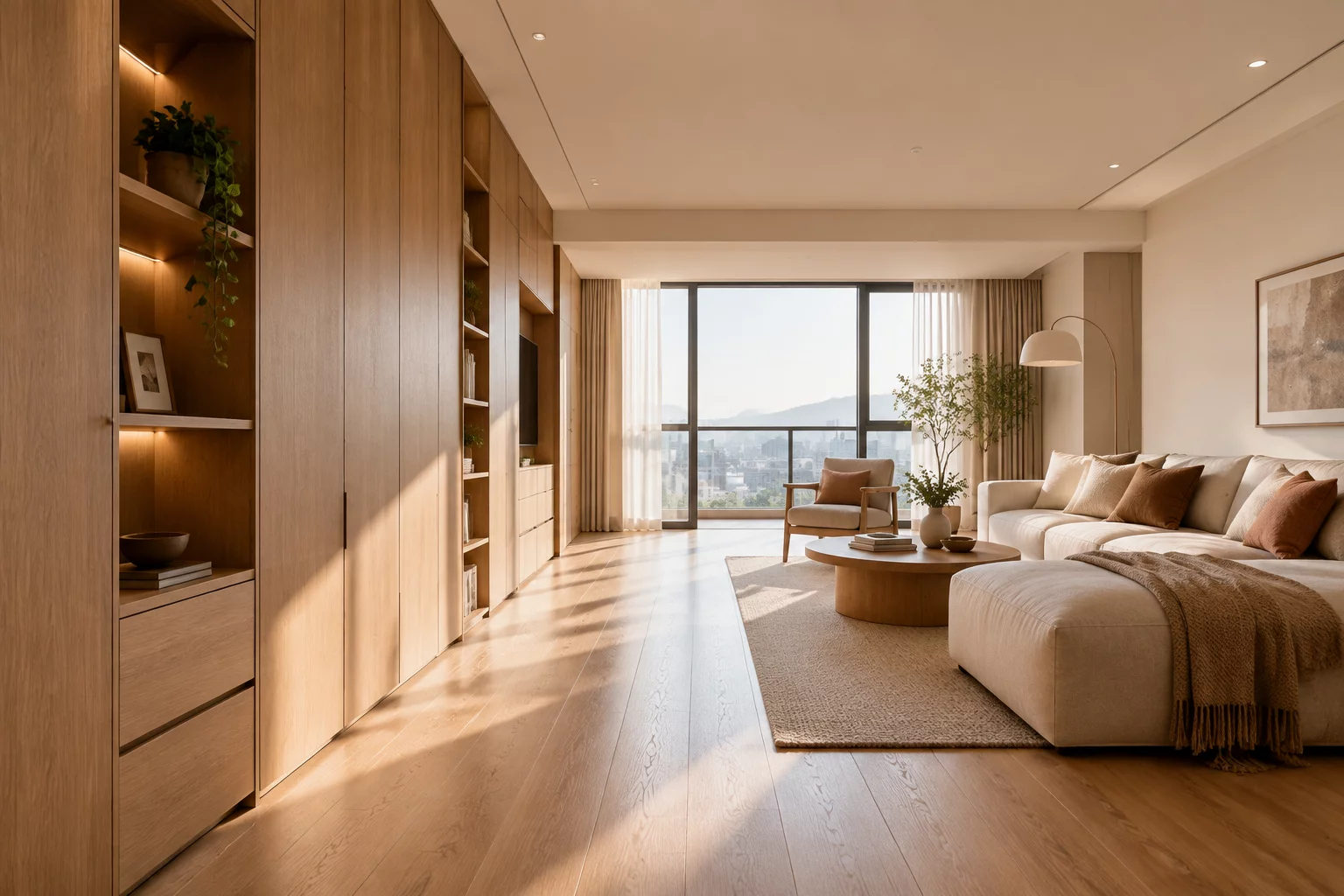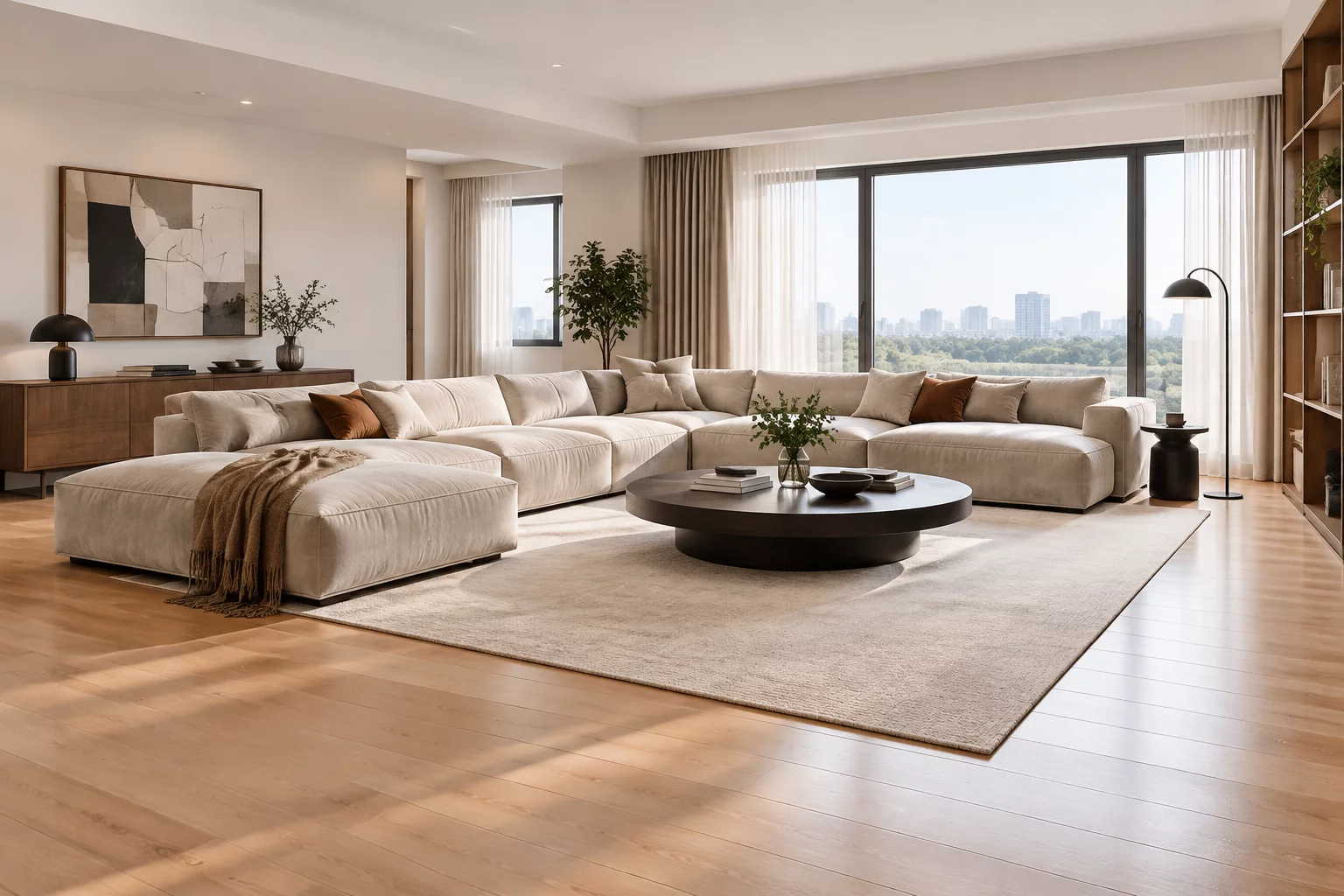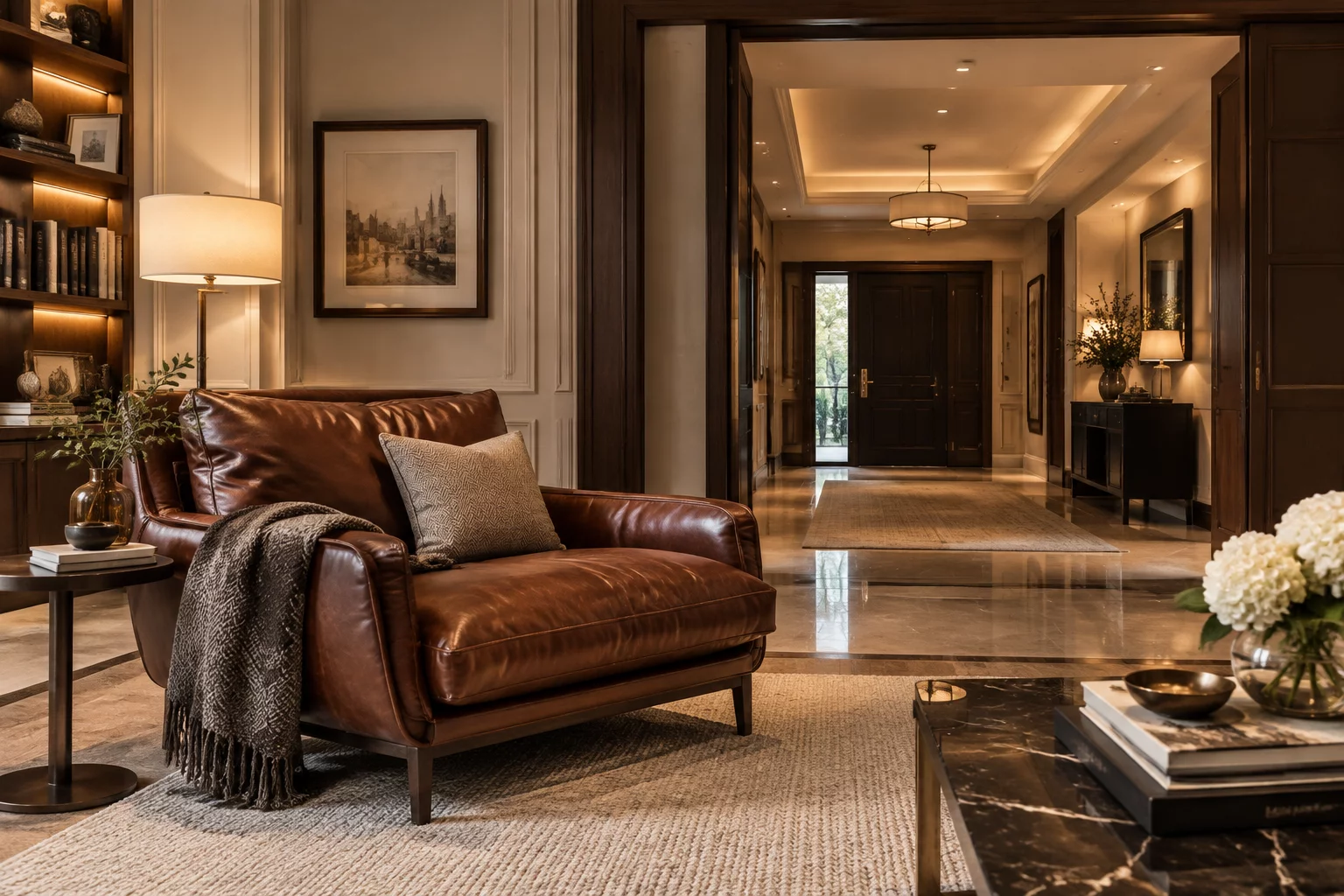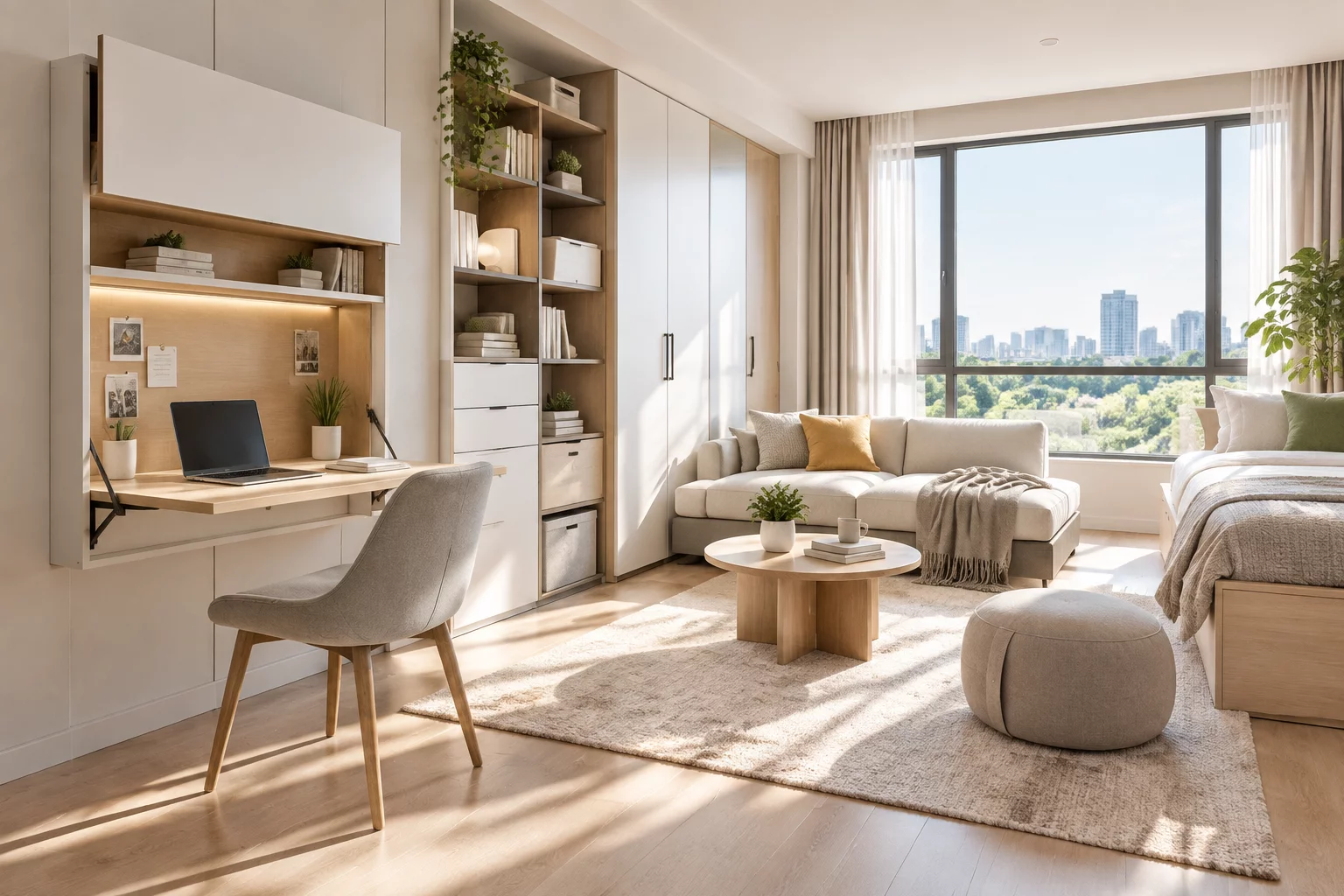
Designating a room for a single specific purpose—such as a quiet home library, private office, or permanent guest room—ensures optimal specialized functionality and acoustic privacy. However, dedicating an entire room to an occasional task leaves valuable square footage unused for long periods. Creating a flexible multi-zone room maximizes daily utility, though it requires constant clearing, folding furniture, and visual compromise.
Examine how different living setups approach room function allocation.
Invest in engineered multi-functional furniture to ease daily transformations. Desk-bed systems maintain flat desktop surfaces even when folding down sleeper units, eliminating the need to clear workspace gear. Modular shelving units with built-in fold-down tables provide standing work surfaces that tuck away seamlessly when entertaining family guests.
Calculate how many hours per week a dedicated room will actually be utilized before locking in its function. Choose dedicated single-purpose layouts for tasks demanding total silence, heavy specialized equipment, or unbroken concentration. Select flexible multi-zone configurations for living spaces that must fluidly adapt to changing weekly routines and family growth.
Household A: chose flexibility.
Household B: chose dedicated function.
Household C: found a partial compromise.